
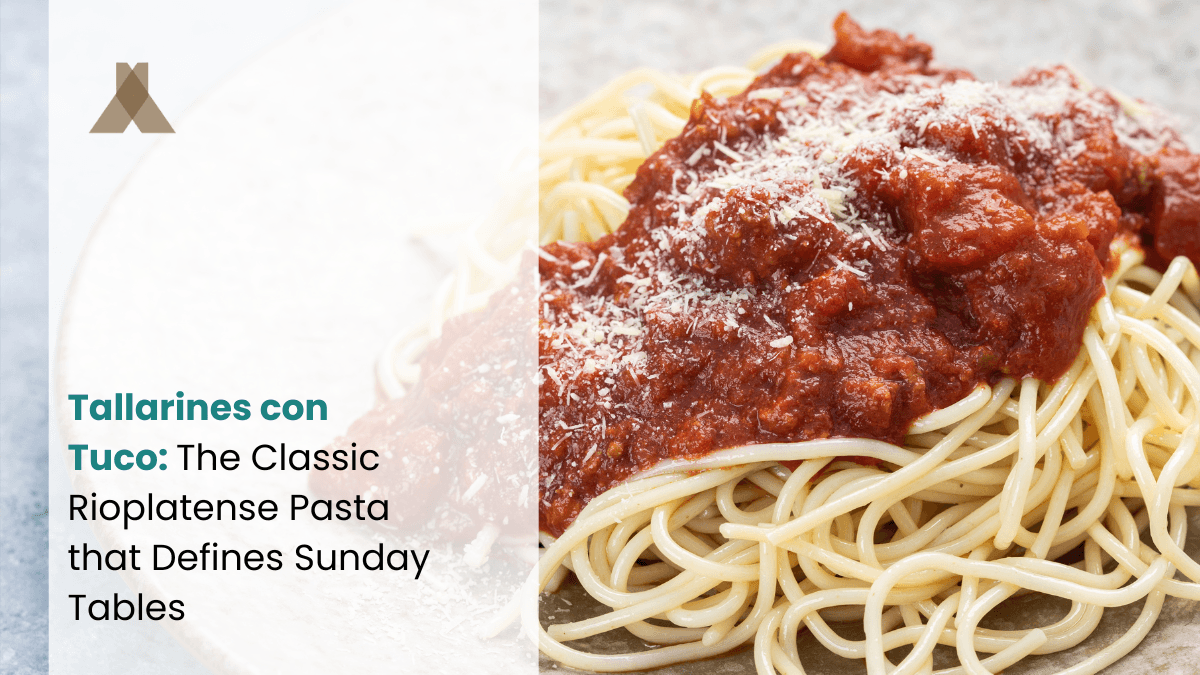
Tallarines have been part of everyday cooking for centuries, and no doubt they still manage to feel like the start of a good story.
In this article, we’ll explore what tallarines are, where they come from, how Sabores del Plata prepares them, how you might make them at home, and which menu favorites pair especially well with this classic plate. Let’s go!
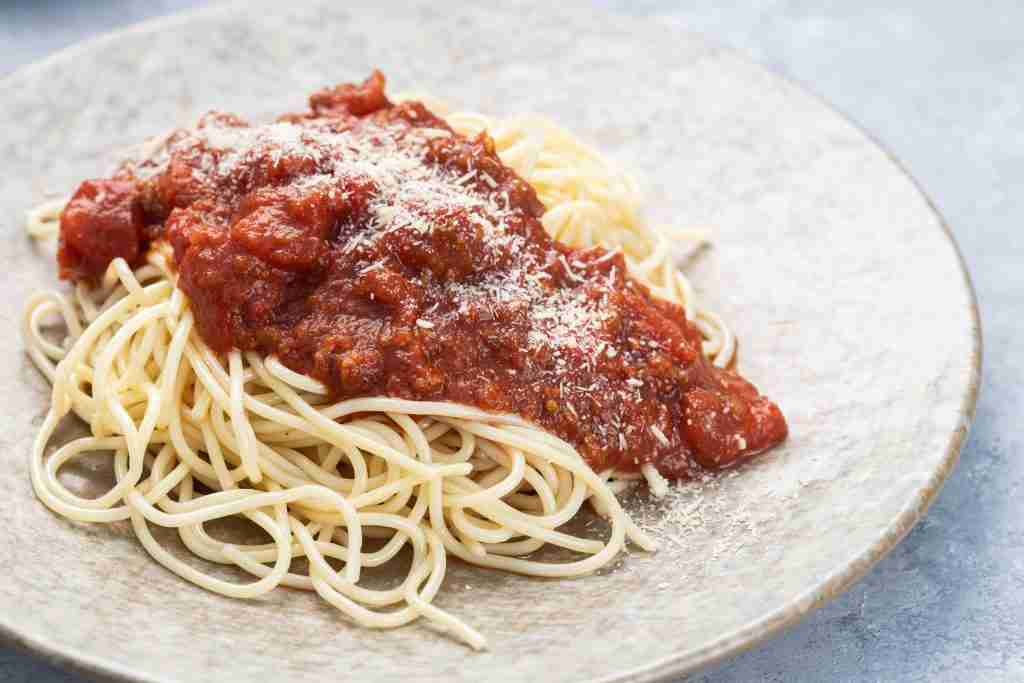
What Tallarines Are
Tallarines are the South American interpretation of Italian pasta, close to what we know as spaghetti. Their defining quality is their long, thin shape, which creates that satisfying fork-twirling.
So you may be wondering what the difference is between tallarines and spaghetti. Well, both share Italian roots, but spaghetti is typically a round, uniform noodle, made to be consistent in thickness and designed for a wide range of sauces. Tallarines, on the other hand, come from a more handmade tradition in Argentina and Uruguay. They are usually cut from rolled sheets of fresh dough, so they tend to be flatter, a touch wider, and often a little softer once cooked. That flat shape allows tallarines to hold onto sauces differently, especially thicker reductions like tuco. Even when restaurants or markets produce them at scale, tallarines still carry that homemade character.
A Quick Look at Their Origins
Although tallarines originated in Italy, their story changed once they reached South America. Italian immigrants brought their techniques, rolling out fresh dough in home kitchens. The term “tallarines” itself mirrors the Italian “tagliarini”, and both relate to the idea of cutting dough into long ribbons. Indeed, the dish feels both Italian and rioplatense.
In Argentina and Uruguay, tallarines are a staple, often served with rich tomato sauces or slow-cooked meat reductions. It’s definitely one of the most familiar dishes across the Río de la Plata region.
A Curious Bit of Pasta Lore
In many Rioplatense households, there’s a tradition of enjoying pasta on Sundays, often tied to family gatherings and long conversations around the table. And tallarines, in particular, carry that sense of ritual.
How Tallarines Are Made
At their core, tallarines come from a dough simply made with flour, eggs, and water. The dough is kneaded until smooth, then rolled into thin sheets and cut into narrow strands.
Once the pasta is shaped, it’s cooked in boiling salted water until tender. Most home cooks finish tallarines directly in the sauce so the noodles absorb some of its flavor.
Tallarines at Sabores del Plata
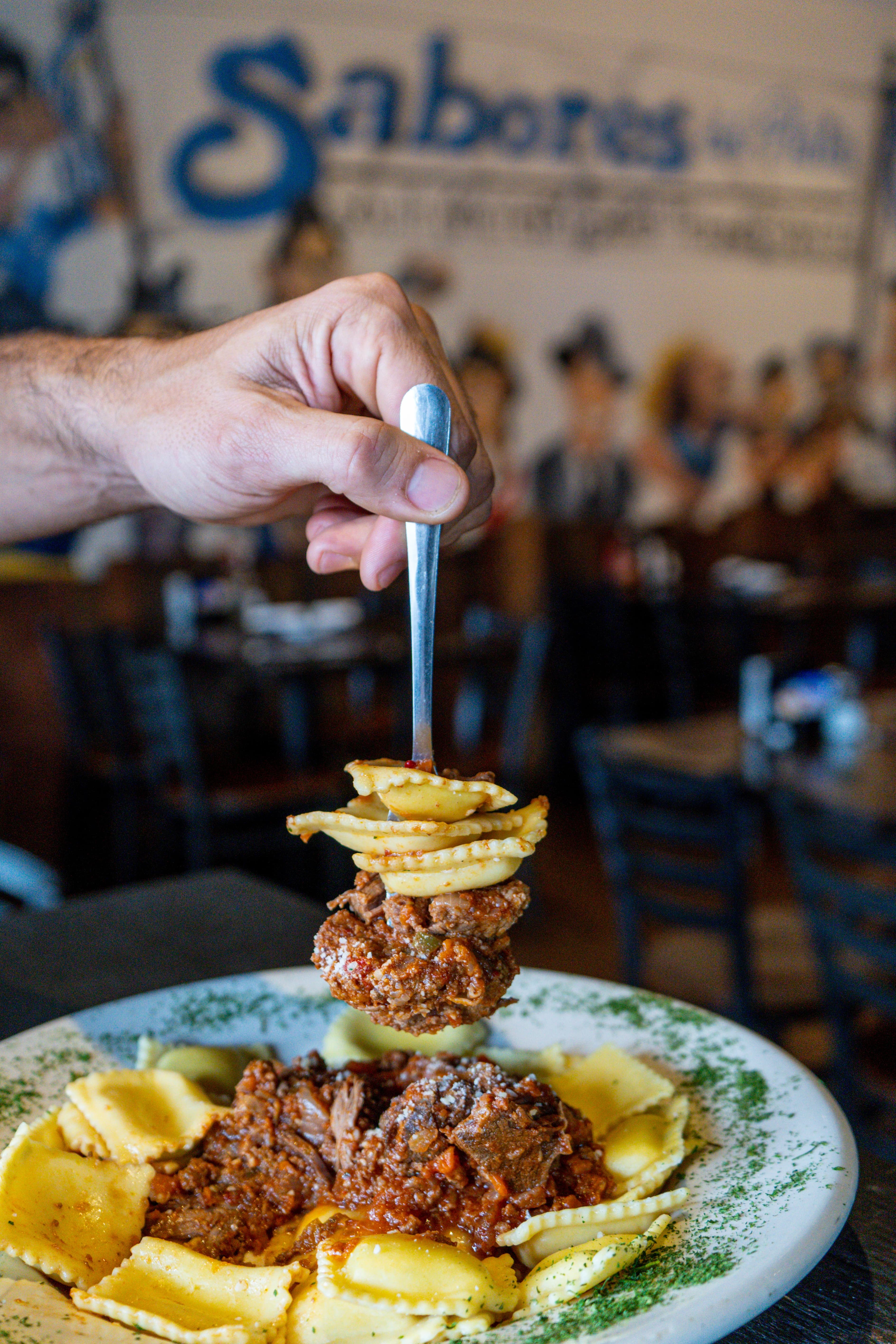
Sabores del Plata offers tallarines con tuco. The plate features tallarines served with a house Bolognese sauce simmered until the flavors settle. It’s a straightforward dish, but that’s exactly what makes it so enjoyable. Or, at least, that’s what our customers always say!
Pairing Ideas from the Menu
Tallarines con tuco already offer a generous flavor, but pairing them with a few well-chosen dishes from the Sabores del Plata menu can turn the meal into a fuller experience.
One classic start is, of course, the provoleta. A warm round of melted provolone that brings a gentle smokiness and a stretchy texture. It works nicely beside the tomato and meat notes of the tuco, which gives the table a familiar Argentine touch.
Before the main plate arrives, the empanadas make an excellent companion as well. The beef version, especially, adds a savory bite that echoes the richness of the Bolognese sauce.
If you prefer a fresher pairing, the ensalada mixta provides a great contrast, since it adds brightness to the meal and helps keep it from feeling too heavy.
Another fantastic option is the morcilla, which brings a more robust flavor to the table. Its well-seasoned profile creates an interesting contrast with the long strands of pasta.
For something really indulgent, papas fritas. Their crisp exterior and soft center make them an easy addition, especially if you enjoy a mix of textures.
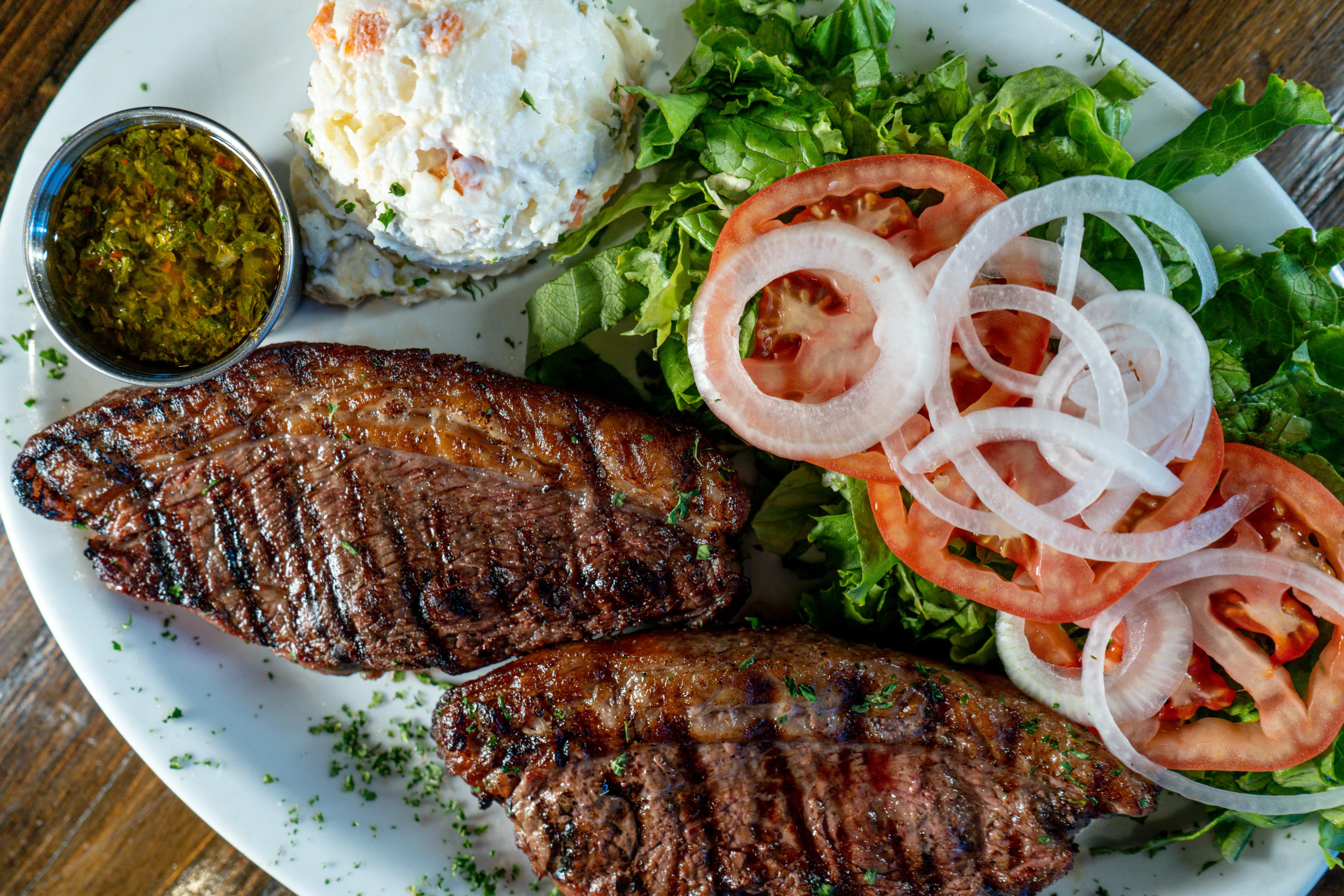
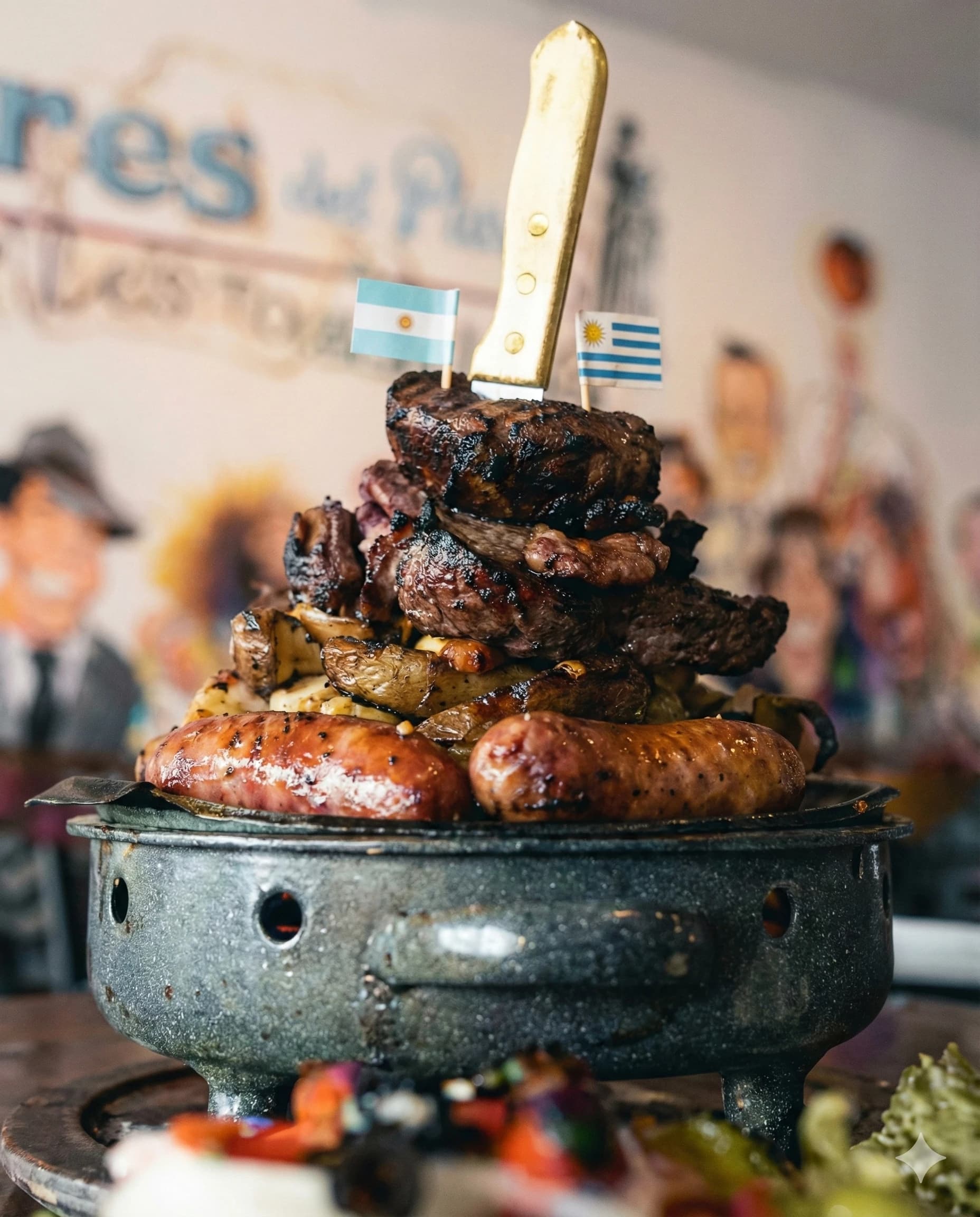
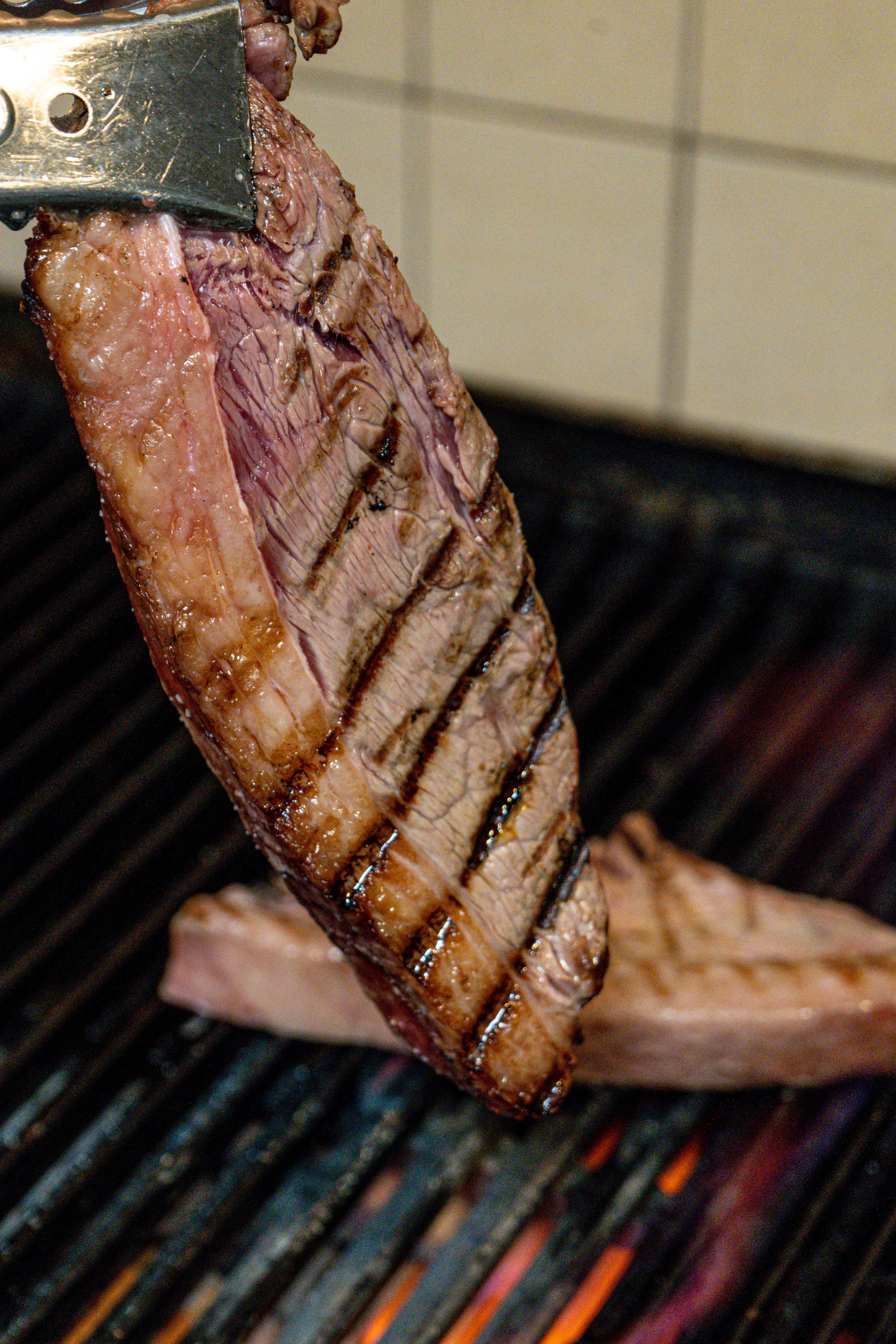
And if you want to give the meal a touch of steakhouse personality, pairing the tallarines with a shared cut like the bife de chorizo brings a wonderful contrast. A few slices of grilled beef beside a plate of pasta create a combination that reflects the spirit of Argentine dining perfectly.
Discover Tallarines and the Tradition Behind This Beloved Pasta
So, now you know everything about mouthwatering tallarines. We invite you to visit Sabores del Plata and delight in our pasta dishes just as if you were in South America sharing a Sunday table!

.webp&w=3840&q=75&dpl=dpl_kJ3UPAFSZXHbhS87N1d1ErLKL671)
.webp&w=3840&q=75&dpl=dpl_kJ3UPAFSZXHbhS87N1d1ErLKL671)
.webp&w=3840&q=75&dpl=dpl_kJ3UPAFSZXHbhS87N1d1ErLKL671)
.webp&w=3840&q=75&dpl=dpl_kJ3UPAFSZXHbhS87N1d1ErLKL671)
.webp&w=3840&q=75&dpl=dpl_kJ3UPAFSZXHbhS87N1d1ErLKL671)
.webp&w=3840&q=75&dpl=dpl_kJ3UPAFSZXHbhS87N1d1ErLKL671)
.webp&w=3840&q=75&dpl=dpl_kJ3UPAFSZXHbhS87N1d1ErLKL671)