
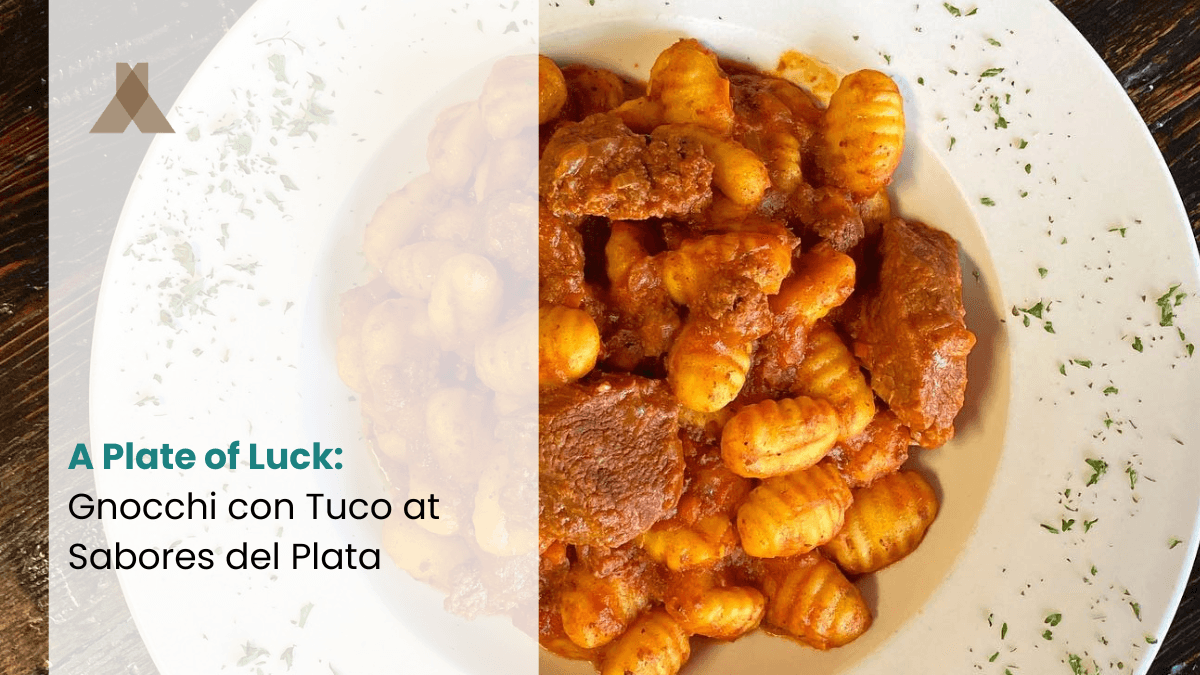
Gnocchi bridge worlds. You can find them served in an Italian trattoria as well as at a South American steakhouse or a steakhouse in the United States, like Sabores del Plata.
Would you join us to explore this mouthwatering Italian dish?
What Are Gnocchi?
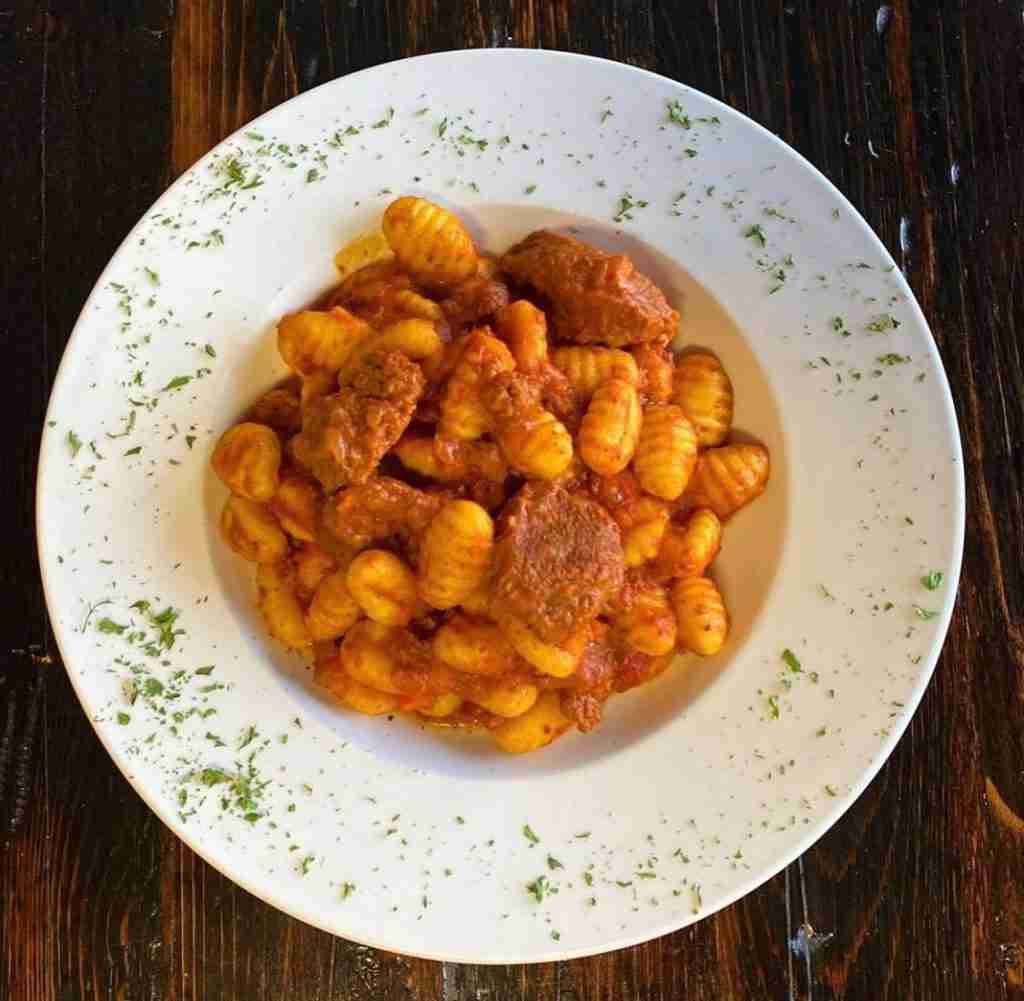
Gnocchi are small, tender dumplings traditionally made from potatoes, flour, and eggs.
Their texture is delicate yet hearty, which makes them an ideal base for a wide range of sauces, from rich ragùs to light butter and sage reductions.
Across Italy, every region puts its own spin on the dough, with some variations using ricotta, spinach, or even pumpkin.
The Origins of Gnocchi
The word “gnocchi” is believed to come from the Italian word “nocchio”, which means a knot in wood, or “nocca”, meaning knuckle (apt descriptions for their shape).
Their roots trace back to Northern Italy, where colder climates favored hearty dishes built around potatoes and flour. When Italian immigrants arrived in Argentina and Uruguay in the late 19th century, they brought gnocchi, and the dish soon became part of the local culinary identity.
Today, in both countries, gnocchi (“ñoquis”) are a tradition: every 29th of the month, it’s customary to eat gnocchi for good luck, often with a bill placed under the plate to bring prosperity.
Gnocchi at Sabores del Plata
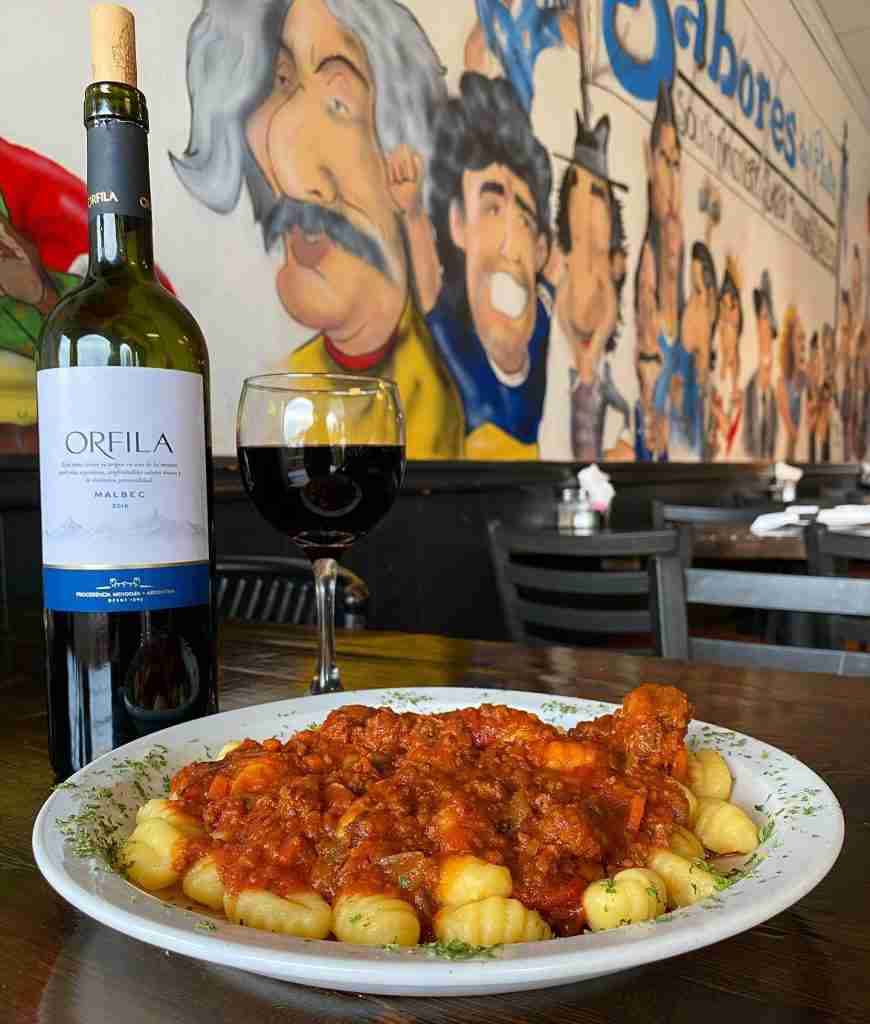
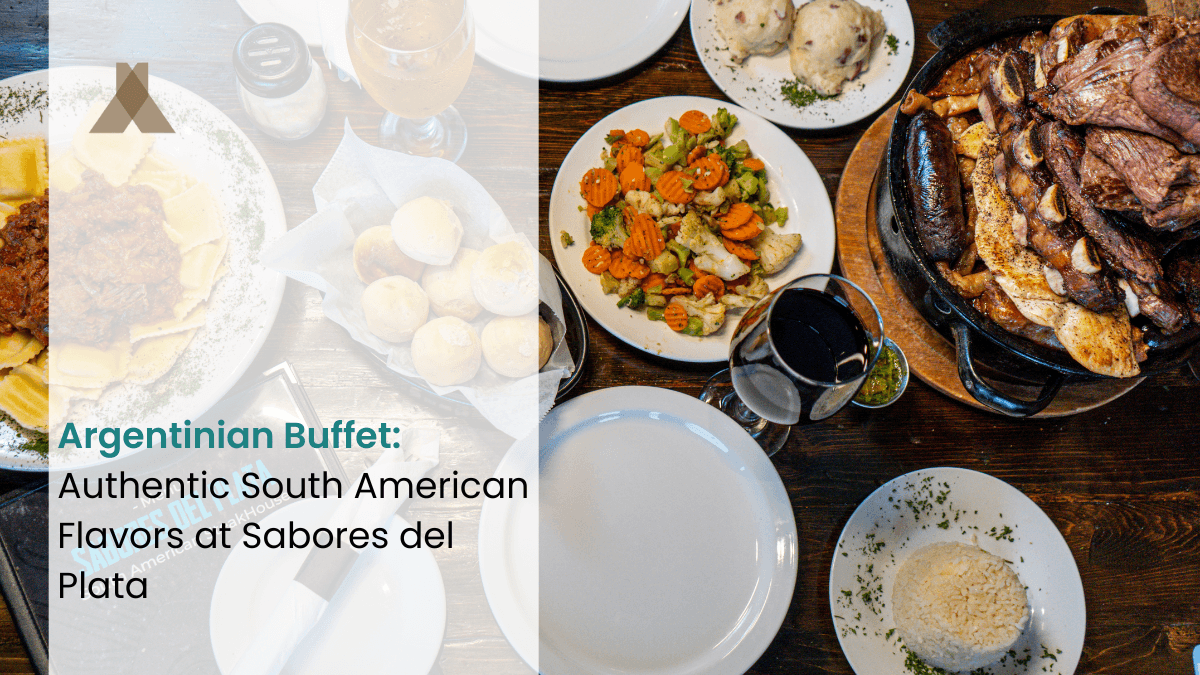
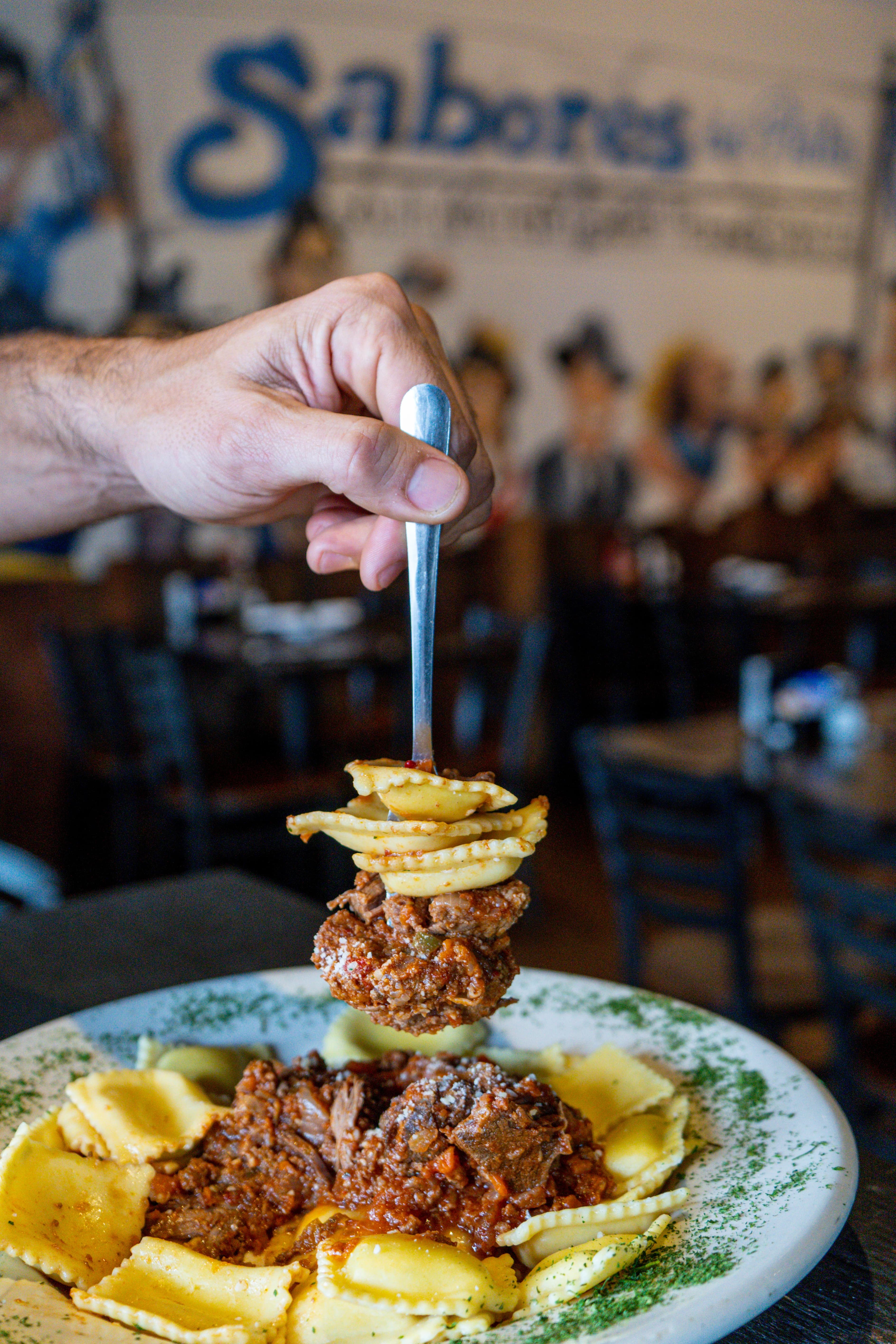
At Sabores del Plata, this Italian-Argentinian connection comes alive with the restaurant’s gnocchi con tuco. The dish features delicious gnocchi served over a rich Bolognese sauce (known locally as “tuco”).
It’s a comforting and flavorful option that fits incredibly well among the restaurant’s steakhouse offerings, offering a taste of Italian heritage infused with South American heart.
How Gnocchi Are Made
Firstly, potatoes are boiled, mashed until smooth, and then gently mixed with flour and a touch of egg. The goal is to form a dough that’s soft but not sticky.
After rolling and cutting into small pieces, each gnocchi is pressed lightly with a finger, a fork, or a gnocchi board to create ridges that hold onto sauce.
Once cooked briefly in boiling water, they’re ready to be paired with something rich and slow-simmered, like Sabores’ tuco.
Pairings to Try
Gnocchi con tuco is, of course, a complete dish on its own, but if you’d like a full dining experience, these are our recommendations:
For starters, empanadas Argentinas. The delicate pastry and seasoned beef or chicken filling contrast nicely with the soft texture of gnocchi, preparing your palate for the richness of the tuco sauce. Another light opener is the provoleta, a grilled provolone cheese appetizer that adds a smoky touch.
When it comes to drinks, a Malbec is a natural choice. Its bold yet smooth profile complements the hearty Bolognese sauce without overpowering it. If you prefer something softer, a Cabernet Sauvignon offers depth and balance, pairing beautifully with the meat notes in the tuco. For white wine lovers, a Chardonnay adds a gentle freshness that cuts through the richness of the dish. Beer also works well, especially a crisp Pilsner or light lager, which helps refresh the palate between bites.
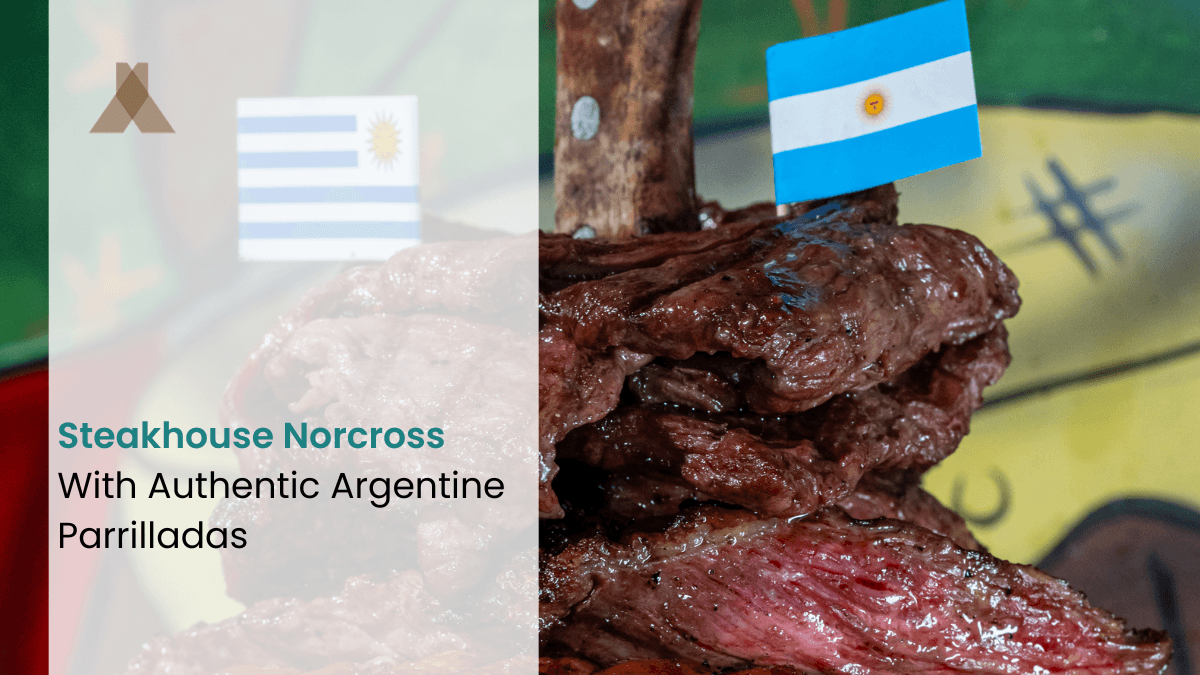
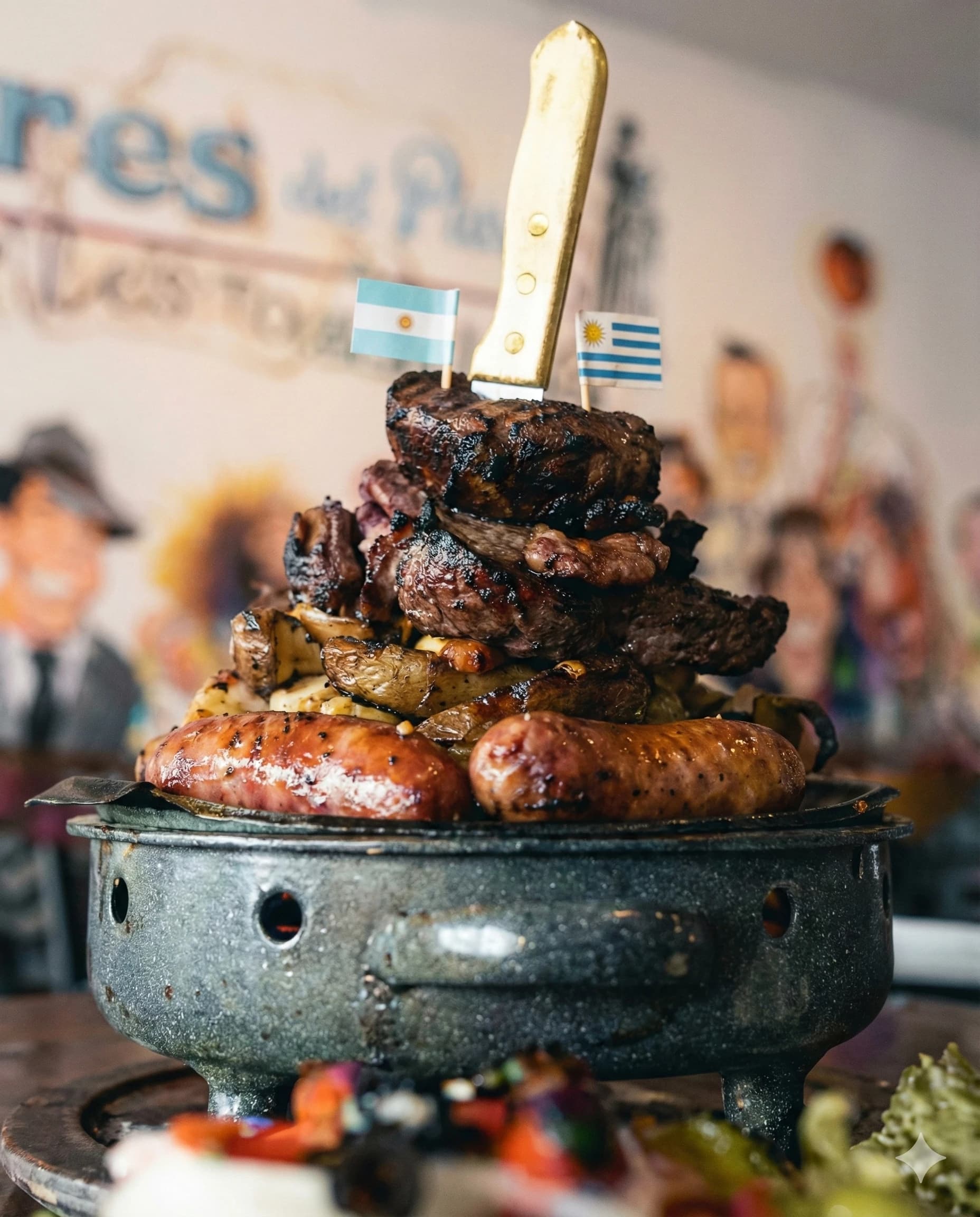
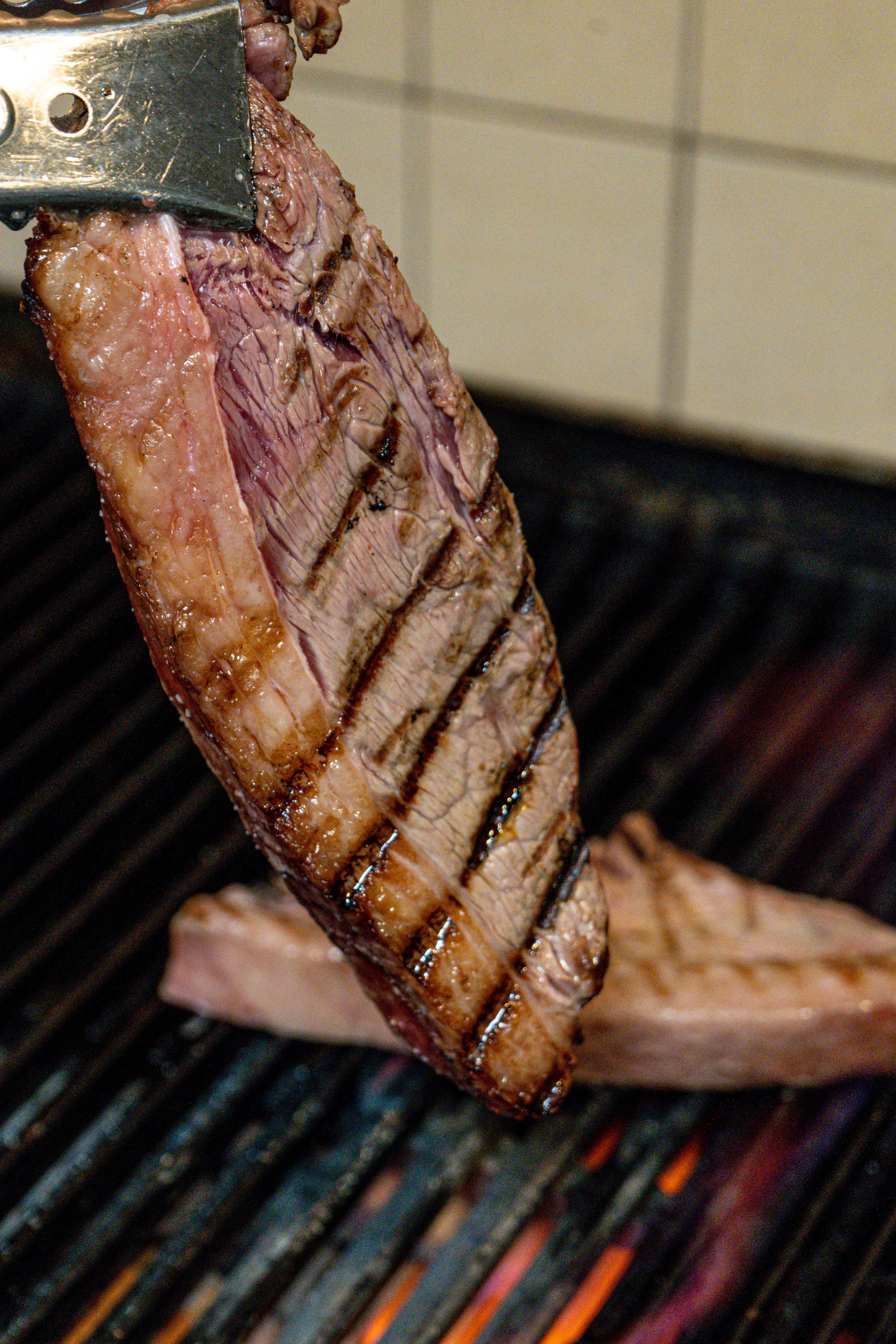
If you’re dining as a group, consider sharing a parrillada, the restaurant’s signature mixed grill, to accompany the gnocchi. The contrast between the grilled meats and the tender pasta creates a satisfying balance of textures and flavors.
Finally, to close on a sweet note, flan con dulce de leche or panqueques are excellent dessert companions. Their caramel notes and smooth textures provide a gentle finish after the hearty flavors of gnocchi and tuco. For those who prefer something lighter, a simple espresso can bring the meal to a classic Italian ending.
Gnocchi del 29: A Celebration of Luck and Flavor at Sabores del Plata
Few dishes carry as much cultural warmth as gnocchi. You know, they even offer the ritual of placing money under the plate.
So, at Sabores del Plata, you can enjoy a culinary story that started in Italy and found a home in Argentina and Uruguay. Luckily, you don’t need to wait until the 29th!
.webp&w=3840&q=75&dpl=dpl_kJ3UPAFSZXHbhS87N1d1ErLKL671)
.webp&w=3840&q=75&dpl=dpl_kJ3UPAFSZXHbhS87N1d1ErLKL671)
.webp&w=3840&q=75&dpl=dpl_kJ3UPAFSZXHbhS87N1d1ErLKL671)
.webp&w=3840&q=75&dpl=dpl_kJ3UPAFSZXHbhS87N1d1ErLKL671)
.webp&w=3840&q=75&dpl=dpl_kJ3UPAFSZXHbhS87N1d1ErLKL671)
.webp&w=3840&q=75&dpl=dpl_kJ3UPAFSZXHbhS87N1d1ErLKL671)
.webp&w=3840&q=75&dpl=dpl_kJ3UPAFSZXHbhS87N1d1ErLKL671)